SEAMLESS PLASTER SOLUTIONS
The Timeless Art of Tadelakt: A Brief History and Its Uses
A brief history of Tadelakt and it's uses.
12/5/20251 min read
Introduction to Tadelakt
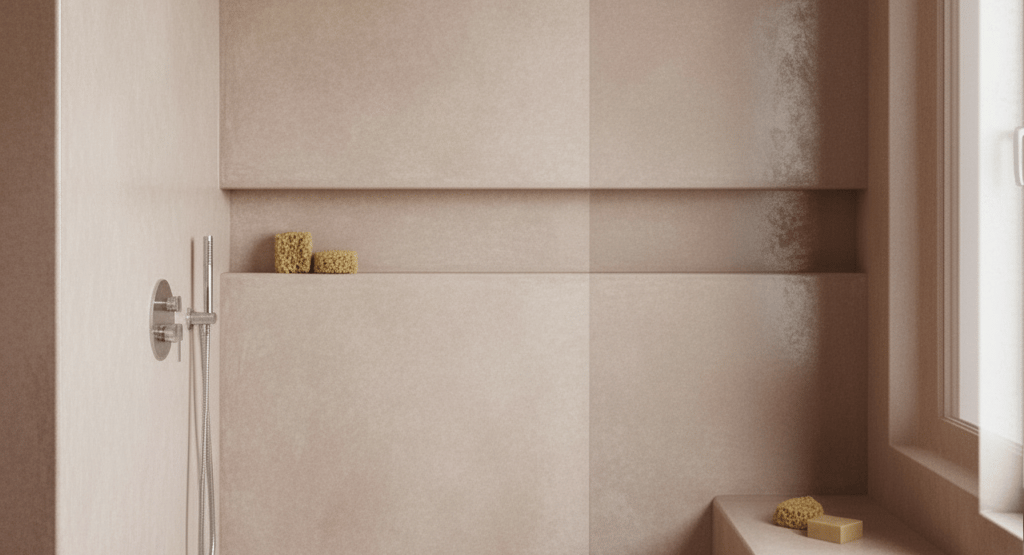
Tadelakt is an ancient Moroccan plastering technique that has captivated artisans and architects for centuries. Traditionally associated with Moroccan architecture, this decorative plaster has evolved to become a sought-after material for both historical and contemporary designs. Its unique aesthetic qualities, combined with practical advantages, highlight the enduring relevance of tadelakt in modern interiors.
A Brief History of Tadelakt
The origins of tadelakt can be traced back to the 12th century in the region of Marrakech. This technique was originally developed to waterproof and finish the interiors of bathhouses and riads. Tadelakt is derived from the Arabic term "dalaka," which means to rub or knead. This emphasizes the meticulous craftsmanship involved in applying the plaster, which is composed of lime and natural pigments. Over the centuries, the artisanal method of tadelakt has been passed down through generations, preserving its rich cultural heritage and intricate craftsmanship.
Modern Uses and Applications
Today, tadelakt is embraced by a diverse range of designers and builders for various applications, particularly in bathrooms, kitchens, and spa-like spaces. Its ability to create smooth, curved surfaces makes it an excellent choice for modern aesthetics. Additionally, tadelakt's natural properties allow it to be both durable and resistant to moisture, making it particularly advantageous in wet environments.
Moreover, tadelakt offers a luxurious texture and a spectrum of colors, appealing to those seeking a distinctive and elegant finish. Its use is not limited to residential spaces; it has also gained popularity in high-end commercial establishments, where its aesthetically pleasing qualities can elevate the ambience of any setting.
In summary, tadelakt is more than just a plastering technique; it is a testament to cultural legacy and innovation. Its historical significance and versatile applications continue to spark interest among homeowners and designers alike. As more people recognize the beauty and functionality of this traditional art form, it is likely that tadelakt will remain a beloved choice for generations to come.