SEAMLESS PLASTER SOLUTIONS
How to Properly Prepare an Area to Paint: Materials and Techniques
Preparing a room to get ready to paint.
12/5/20252 min read
Introduction to Painting Preparation
Painting can transform any space, enhancing its beauty and value. However, proper preparation is vital to ensure that your finished project looks professional and lasts for years. This guide will cover the essential materials and techniques needed to prepare an area for painting efficiently and effectively.
Gathering the Right Materials
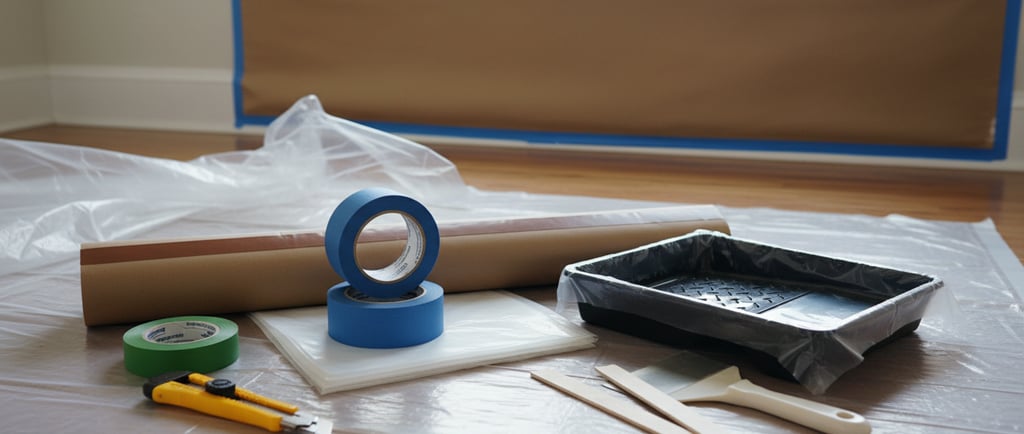
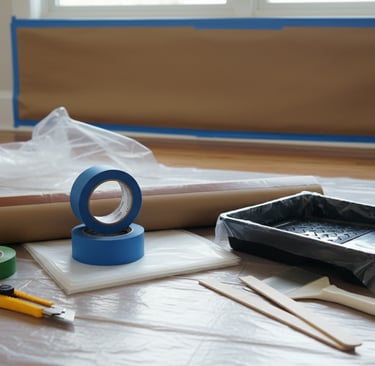
Before you start painting, it’s important to gather all necessary materials. You will need:
- Drop cloths or plastic sheeting to protect floors and furniture
- Painter's tape for clean edges and protection of surfaces
- Primer to enhance paint adhesion and durability
- Sandpaper for smoothing surfaces
- Cleaning supplies, including sponges and mild detergents
Having these materials on hand can save time and ensure that the space is properly prepared for painting. Additionally, wearing personal protective equipment like gloves and masks is advisable to protect your health during the preparation process.
Techniques for Effective Surface Preparation
Once you have all your materials ready, it’s time to begin the preparation process. Start by removing any furniture or fixtures from the area to be painted. If moving larger items is not possible, cover them with drop cloths to prevent accidental splatters.
Next, clean the surfaces you intend to paint. Use mild detergent and a sponge to remove dust, dirt, and grease. This step is crucial as any residue left on the walls may interfere with paint adhesion, potentially resulting in peeling or chipping paint.
After cleaning, inspect the surfaces for any imperfections. Use sandpaper to smooth out rough areas or bumps. For larger holes or cracks, apply a filler and allow it to dry before sanding it down to a smooth finish.
Applying painter's tape is another crucial step in ensuring clean lines. This tape helps protect baseboards, windows, and other adjacent surfaces, allowing you to create sharp edges on your finished paint job. Ensure the tape adheres properly by pressing down firmly and sealing the edges with your finger.
Conclusion: The Key to a Successful Paint Job
In summary, preparing an area to paint is essential in achieving a polished look. By gathering the right materials and employing effective techniques for surface preparation, you can ensure that your paint application will be smooth and long-lasting. Taking the time to prepare your space not only leads to a better aesthetic but also reduces the likelihood of costly mistakes, making your painting experience more enjoyable and efficient.